

In recent years, the fashion industry has witnessed a growing movement towards sustainable fashion (Fashion Revolution, 2020). As consumers become more conscious of the environmental and social impact of their clothing choices, the demand for eco-friendly and ethical fashion has soared.
Let’s explore the numerous benefits of embracing sustainable fashion, from reducing environmental harm to supporting fair labor practices. Discover how we can make a positive change through our fashion choices.
1. Environmental Conservation:
One of the primary benefits of sustainable fashion is its positive impact on the environment. Traditional fashion production involves significant resource extraction, excessive water usage, and the release of harmful chemicals.
In contrast, sustainable fashion focuses on reducing carbon emissions, using organic and recycled materials, and implementing eco-friendly production practices (European Commission, 2021). By choosing sustainable clothing, we contribute to the preservation of our planet’s precious resources and help combat climate change.

2. Reduction of Textile Waste:
The fashion industry is notorious for its staggering amount of textile waste. Fast fashion’s disposable mentality has led to a culture of overconsumption and rapid garment disposal. Sustainable fashion addresses this issue by promoting practices such as upcycling, recycling, and designing for longevity. By embracing these principles, we extend the lifespan of clothing, divert waste from landfills, and minimize the need for new production (Ellen MacArthur Foundation, 2017).
3. Ethical and Fair Labor Practices:
Sustainable fashion places a strong emphasis on ethical and fair labor practices. It strives to ensure that garment workers are provided with safe working conditions, fair wages, and the respect they deserve. Sustainable brands often work closely with suppliers, ensuring transparency throughout the supply chain. By supporting these brands, we actively contribute to the fight against labor exploitation and promote social justice within the fashion industry (Fashion Revolution, 2020).
4. Unique Style and Self-Expression:
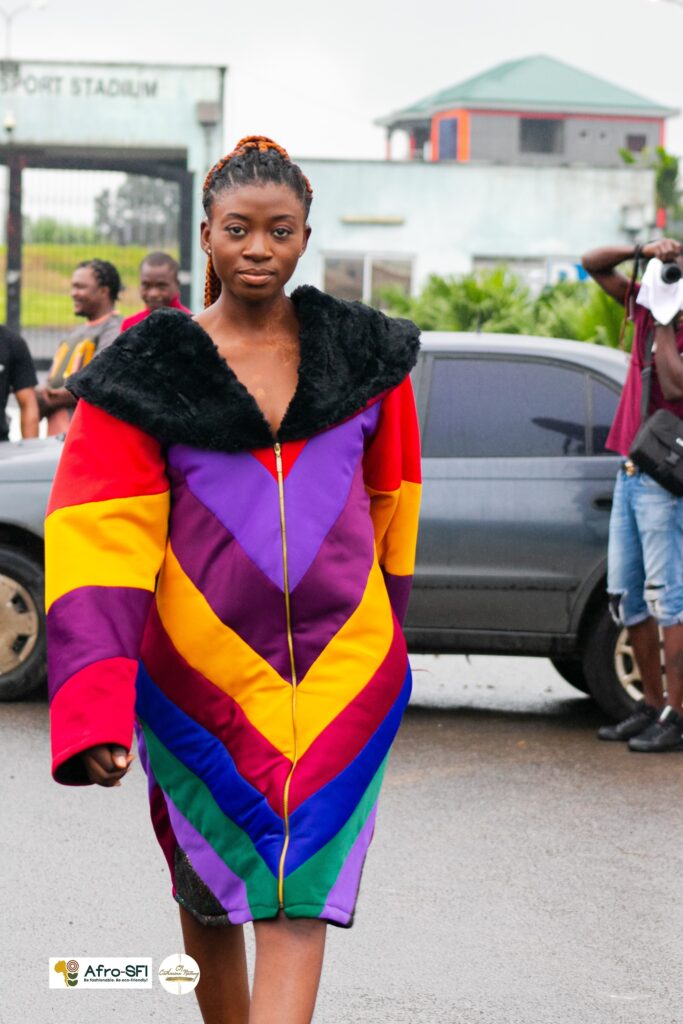
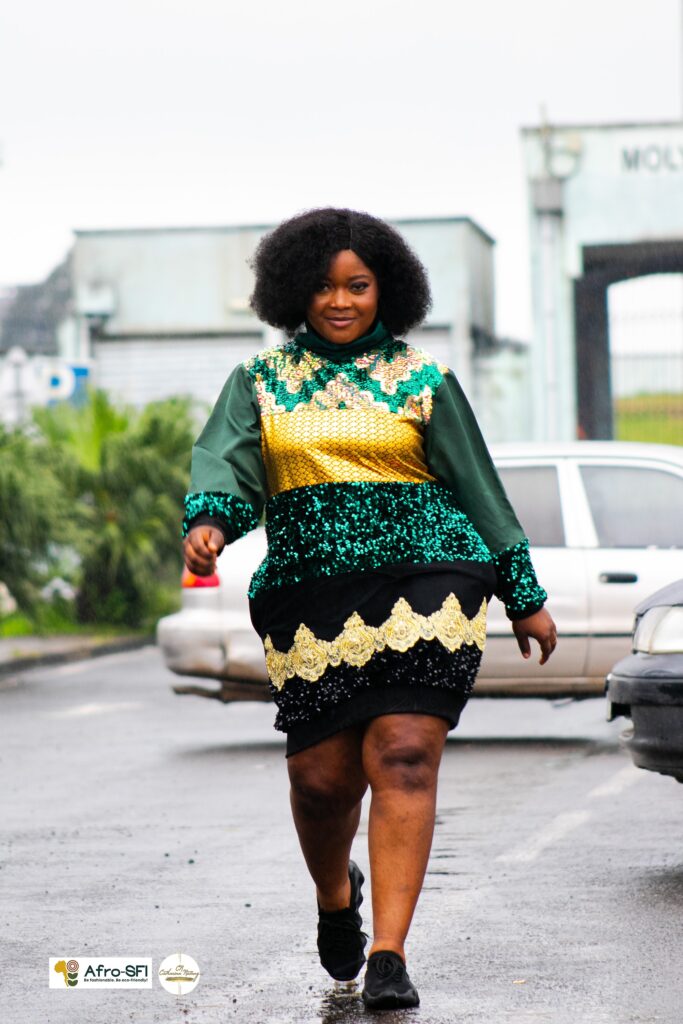
Sustainable fashion encourages individuality and self-expression through unique and timeless designs. Rather than conforming to the ever-changing trends of fast fashion, sustainable brands focus on creating pieces that withstand the test of time. By opting for sustainable garments, we have the opportunity to curate a wardrobe that reflects our personal style while reducing the need for constant consumption (Fletcher, 2012).
5. Supporting Local and Independent Businesses:
Many sustainable fashion brands are small, local, or independent businesses that prioritize ethical and sustainable practices. By choosing their products over mass-produced alternatives, we support local economies and contribute to the growth of a more diverse and sustainable fashion industry. Investing in sustainable fashion means investing in the future of independent designers and artisans who value craftsmanship and quality (Fashion Revolution, 2020).
6. Cost-Effectiveness and Longevity:
Contrary to the misconception that sustainable fashion is expensive, investing in quality, sustainable pieces can be cost-effective in the long run. Sustainable garments are often made with durable materials and superior craftsmanship, ensuring longevity and reducing the need for frequent replacements. By building a versatile and timeless wardrobe, we can save money over time and develop a sustainable approach to fashion (Fletcher, 2012).
The benefits of embracing sustainable fashion extend far beyond personal style. Each conscious fashion choice we make has the power to create a positive ripple effect, inspiring others to follow suit.
References:
– Ellen MacArthur Foundation. (2017). A new textiles economy: Redesigning fashion’s future.
– Fashion Revolution. (2020). Fashion Revolution’s Fashion Revolution Week 2020 Report.
